


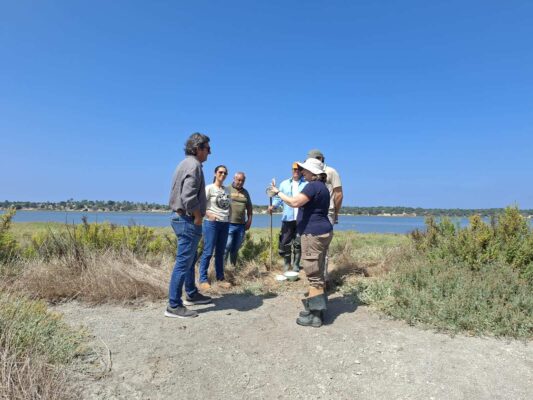






The main focus of our company’s laboratory is the entomological and epidemiological surveillance of mosquitoes and other disease vectors, with an emphasis on the West Nile virus. Its operation serves the specific needs of mosquito control projects carried out by Ecodevelopment in five regions of the country, in order to ensure the timely detection of pathogens for the targeted support of public health actions (vector control and information).
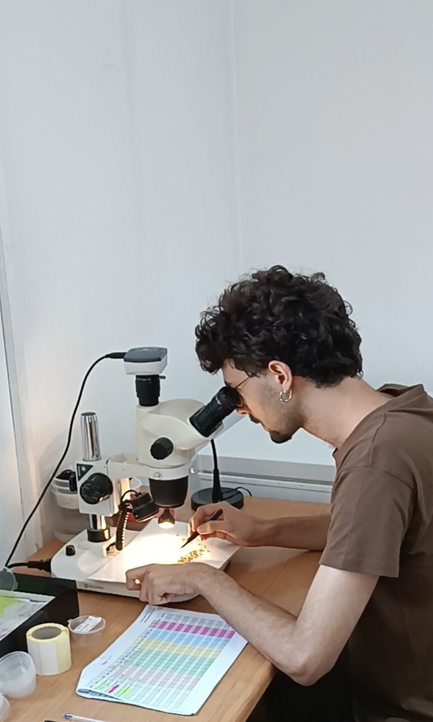
For 2025, 2,365 samples were taken from a fixed network of 211 adult mosquito trap sites in five regions of Greece, on a 15-day basis. The collected samples are transported to the laboratory under controlled conditions to ensure the quality and reliability of the subsequent analyses. In total, 398,410 adult mosquitoes were identified at the species level in 2025.
Each year, a significant percentage of all Culex pipiens samples undergo molecular testing for the detection of West Nile virus. In total, 18,417 adult mosquitoes were molecularly tested (Real-Time PCR) in 2025.
At the same time, as part of the laboratory’s activities, blood samples from young chickens in four regions are tested for seropositivity. In 2025, 1 to 3 rounds of blood sampling were carried out in a total of 187 poultry farms. Chickens act as biological indicators of the circulation of the West Nile virus, as the detection of antibodies indicates previous exposure to the virus. The combination of entomological molecular and serological data strengthens the overall assessment of epidemiological risk.
During the five-year period 2021-2025, a very important entomological finding was recorded concerning the widespread dispersal and corresponding significant increase in the population of Culex tritaeniorhynchus in Greece. While until 2024 the highest abundance of the species was recorded in Western Greece, in 2025 extremely high population densities were observed in Central Macedonia, mainly in areas with rice fields. Given that Cx. tritaeniorhynchus is the main vector of the Japanese encephalitis virus, the above findings are of particular importance for public health.