







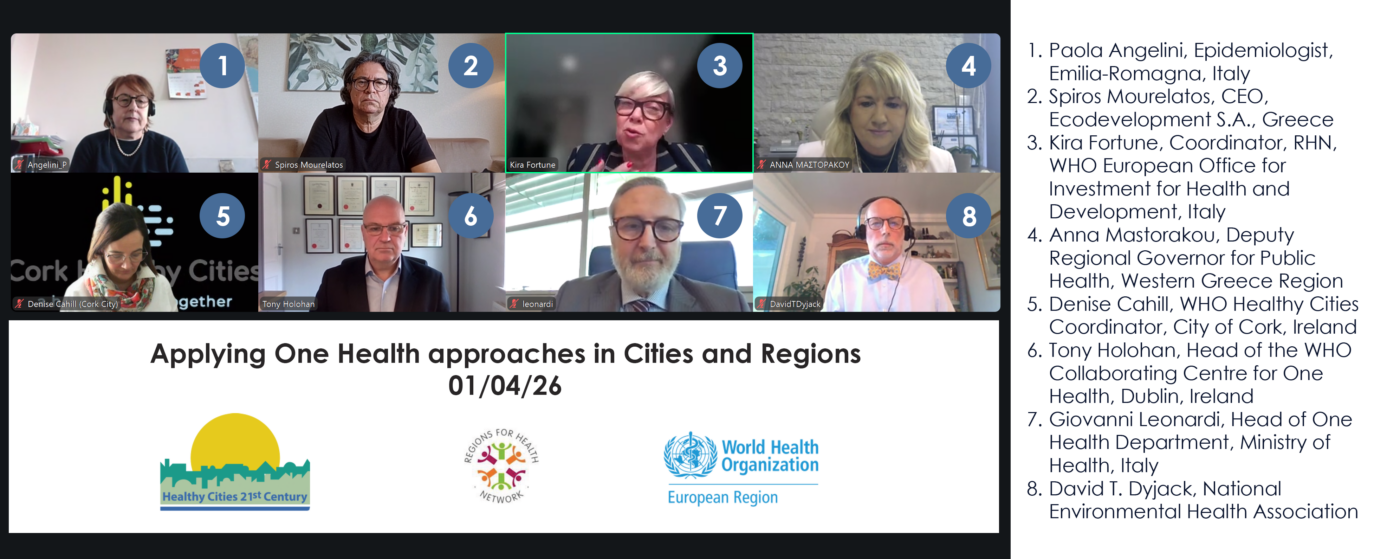
At a time when climate change, biodiversity loss and health risks are increasingly intertwined, the One Health approach is emerging as a critical tool for designing sustainable and resilient cities. This was the key message of the webinar “Applying One Health Approaches in Cities and Regions,” organized by the WHO on April 1st, 2026, which highlighted practical solutions and experiences from Europe and around the world.
Distinguished scientists from international organizations contributed to the discussion from various perspectives. Giovanni Leonardi (Ministry of Health, Italy) highlighted the integration of One Health into national strategies, while Kira Fortune (WHO, Regions for Health Network) underscored the role of WHO networks in supporting regions. From the perspective of local governance, Anna Mastorakou (Deputy Regional Governor for Health, Region of Western Greece) and Denise Cahill (WHO, Cities for Health Network) presented practical applications at the regional and urban levels, emphasizing cross-sectoral collaboration. The epidemiological dimension was highlighted by Paola Angelini (Emilia-Romagna Region, Italy), while David T. Dyjack (CEO, National Society for Environmental Health, USA) focused on strengthening environmental health and related skills. In closing, Tony Holohan (One Health Center, collaborating with the WHO) emphasized the importance of international cooperation and the creation of knowledge networks to promote the One Health approach.
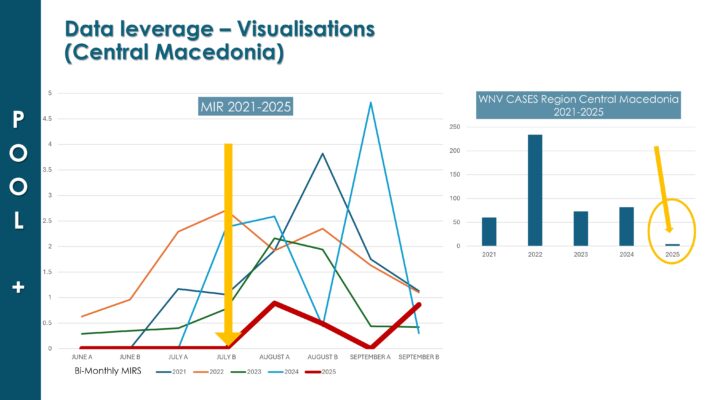
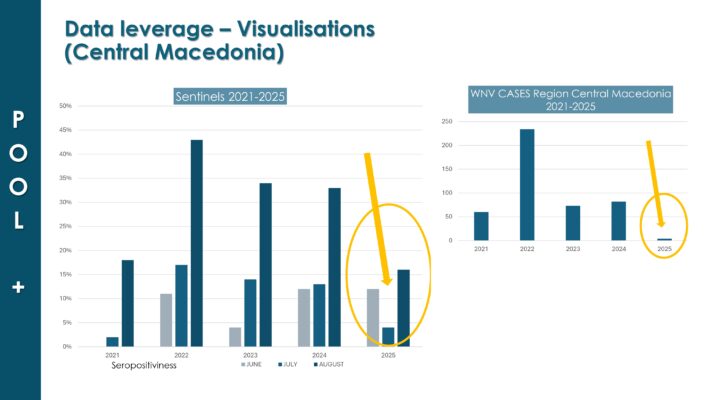
Spiros Mourelatos concluded the seminar with a brief 10-minute presentation from the field of mosquito control on the topic “A One Health Approach in Vector-Borne Diseases: The Paradigm of WNV.” More specifically, he demonstrated how the integration of entomological and epidemiological data can lead to a more comprehensive and effective response to mosquito-borne diseases.
The webinar highlighted the need to upgrade the implementation of One Health practices in urban areas and made it clear that the success of this implementation is directly linked to the interaction of science, policy, and professionalism at the local level.
To view the seminar proceedings, click here.
In the video below, you will find Spiros Mourelatos’ presentation: