Mosquito Control in the Region of Western Greece

The Region of Western Greece is implementing a wide-area mosquito control project in the rural, peri-urban and urban system, with emphasis on the coastal zone and the extensive wetlands as well as on the urban system of cities and settlements of high tourist development and/or high risk of mosquito-borne diseases.


The main components of the project are:

  • Extensive mapping and continuous updating of the productivity of the breeding sites
  • Larvae and adult monitoring through continuous periodic samplings
  • Ground and aerial larviciding applications
  • Complementation of larviciding with adulticiding (perifocal, barrier treatments) along with extra actions such as ULV in the case of WNV and IRS in the case of Malaria
  • Actions for information, awareness, publicity and promotion of the project
  • Epidemiological surveillance in adult mosquitoes and sentinels

kounoupia perifereia 35×50 V2

kounoupia perifereia A4 V2

Τα ΝΕΑ ΤΟΥ ΕΡΓΟΥ

Webinar invitation: “Applying One Health approaches in Cities and Regions”

We are pleased to invite you to the webinar co-organized by the Regions for Health[...]

Articles, research projects, and scientific announcements by Ecodevelopment for 2025

ECODEVELOPMENT SA, with many years of experience in the field of environmental management and applied[...]

Actions of the biochemical-molecular laboratory of Ecodevelopment for the year 2025

The main focus of our company’s laboratory is the entomological and epidemiological surveillance of mosquitoes[...]

30 years of ECODEVELOPMENT

Oikodevelopment was not founded as a single-issue company. From the outset, in 1996, it began[...]

Annual corporate meeting 2026 at Makedonia Palace, Thessaloniki

Marking 30 years of Ecodevelopment, the annual meeting was held on Thursday, January 15, 2026,[...]

1st prize from the European Innovation Council (EIC) for the EYWA system: Four years later

The EYWA (Early Warning System for Mosquito-Borne Diseases) system is an innovative, scalable, and sustainable[...]

Ecodevelopment, in collaboration with Deloitte, presents its first ESG Report for 2024

Ecodevelopment announces the publication of its first ESG Report for the year 2024, marking an[...]

Republished by APE-MPE: Scientists propose opening up and freely distributing meteorological data for better use

A long-standing demand of society is for meteorological data to be made available so that[...]

PROJECT DATA

  1. The protection of high-risk areas of the coastal zone of the Region of Western Greece, especially those in which in recent years outbreaks of mosquito-borne diseases have occured
  2. The identification, evaluation and treatment of the main mosquito breeding sites in the natural, peri-urban/rural and urban environment
  3. The entomological and epidemiological surveillance through the establishment and operation of fixed networks for monitoring entomological and epidemiological risk assessment data 
  4. The readiness and ability to respond immediately and effectively in mosquito-borne diseases outbreaks
  5. To inform and raise public awareness, with the aim of contributing to the success of the project and taking self-protection measures 
  6. The use of the most appropriate new scientific and technological tools and methodologies to achieve the best results and to continuously monitor the implementation of the above objectives

The extent of the Region is almost 11,350 square kilometres and the wetlands cover an area of 44,000 hectares. Approximately 5,000 ha are considered as highly productive in mosquito larvae.

The project includes larvicidal actions (field work – samplings and spray interventions) on:

  • 5,000 ha of highly larvae productive wetlands 
  • 1,600 kilometers of canals and streams in the rural and peri-urban system
  • 1,500 ha of flooded areas in the peri-urban and rural system
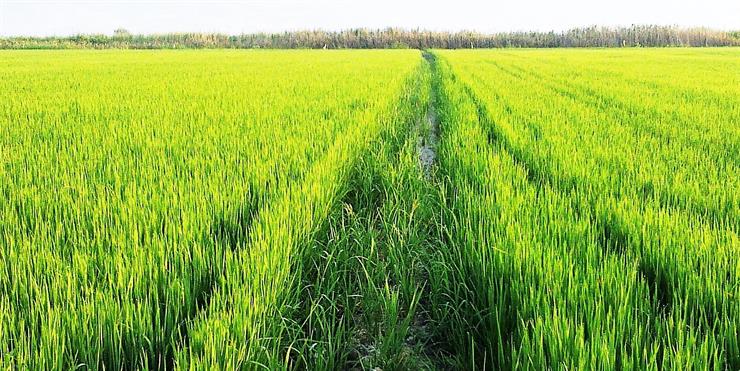
  • 700 ha of ricefields
  • 1,000 scattered breeding sites of limited extent in the peri-urban and rural system
  • 30.000 catch basins in cities and settlements

Continuous daily larvae samplings and ground larvicidal spraying interventions are carried out in all mosquito breeding sites in the peri-urban, rural, natural and urban systems, as well as aerial larvicidal spraying applications are carried out in the wetlands and in the rice fields of the Region.

Spraying interventions:

  1. Larvicidal applications following larvae samplings
    • In the extensive wetlands of the Region using aerial means (helicopter and/or drones) whenever required
    • In mosquito breeding sites within a radius of two kilometres around all settlements, with particular emphasis on settlements with high nuisance problems, with high minimum or zero nuisance requirements (e.g. tourist settlements), and with increased epidemiological risk
    • In mosquito breeding sites in the urban system, in public places of all of the settlements
    • In mosquito breeding sites in the urban system in private premises (backyards, gardens, ect) of at least 45 settlements
  1. Applications of ULV (Ultra Low Volume) sprayings are carried out in selected settlements and/or selected locations – areas after suggestion and in consultation with the Contracting Authority.
  2. LV (Low Volume) residual applications are carried out in specific locations of selected settlements or areas as well as in sensitive areas of the urban complex after suggestion of the Contracting Authority

Οπτικοακουστικό υλικό

ΦΟΡΜΑ 

Επικοινωνία μαζί μας

σχετικά με το έργο