



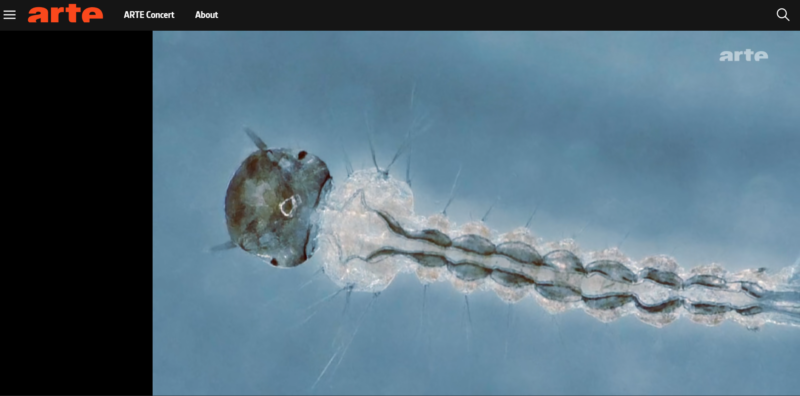


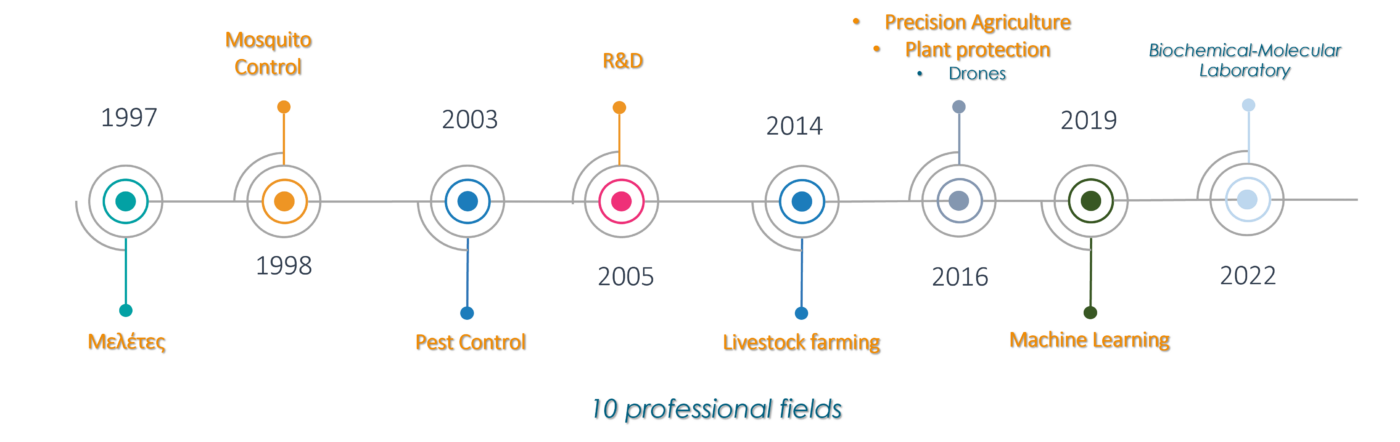
Oikodevelopment was not founded as a single-issue company. From the outset, in 1996, it began as a research company with a clear scientific and research orientation. As early as 1997, one of its first studies concerned mosquitoes – a subject that was to become the main pillar of its activity. So, by the summer of that same year, the company had moved from research to action, developing operational activities in mosquito control, a sector in which it continues to play a leading role to this day, even internationally.
In 2003, recognizing market needs and the potential for leveraging its expertise, Ecodevelopment expanded into the field of pest control, i.e., disinfection and insect extermination. The following year, in 2004, as part of the major mobilization for the Olympic Games in Athens, the company further expanded its activities, seeking to cover a wide range of public health and environmental protection needs, by establishing its first branch in Athens.
2005 marked a new phase: Ecodevelopment entered the field of research and funded research programs, gaining access to new sources of knowledge, collaborations, and technological infrastructure.
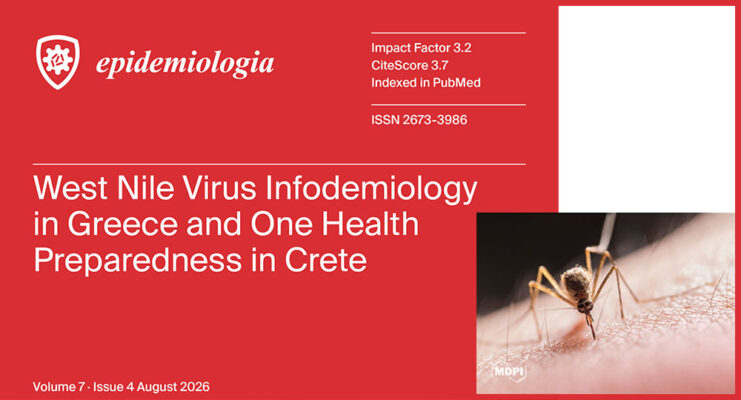
2010 was a pivotal year, as for the first time at European level, and indeed in the Region of Central Macedonia, there was a large influx of cases of West Nile virus infection, and Eco-Development responded successfully to the outbreak the epidemic, given the role of Culex pipiens mosquitoes in transmitting the disease. Since then, Ecodevelopment has contributed to the redesign and transformation of large-scale mosquito control projects from simple mosquito nuisance control projects to public health protection projects against mosquito-borne diseases (West Nile virus, malaria, dengue fever, chikungunya).
In 2014, the company ventured into another strategic sector for the first time: livestock farming. Each new activity that Ecodevelopment engaged in was not simply a professional choice, but a process of collective learning: people, teams, and departments delve into new subjects, gain experience, and transfer knowledge to the entire company. Thus, even areas from which the company has withdrawn operationally, such as pest control (last active in 2018), are not lost, but remain as available knowledge, ready to be reused if necessary.
In 2016, Ecodevelopment in times of crisis invested heavily in three different areas: precision agriculture, plant protection, and drones. In 2019, machine learning was integrated into the company’s operations, adding a new dimension to data analysis and decision-making, while in 2022, the company’s biochemical-molecular laboratory began operating, significantly enhancing Ecodevelopment’s research and diagnostic capabilities.
Today, after 30 years of involvement in 10 different areas of interest, the company has managed not only to innovate but also to remain financially viable: eight of these have already contributed to revenue, with mosquito control accounting for 50% to 100% of the company’s total revenue annually since 1997, proving that its strategy of multidimensional growth and continuous learning ensures sustainability.
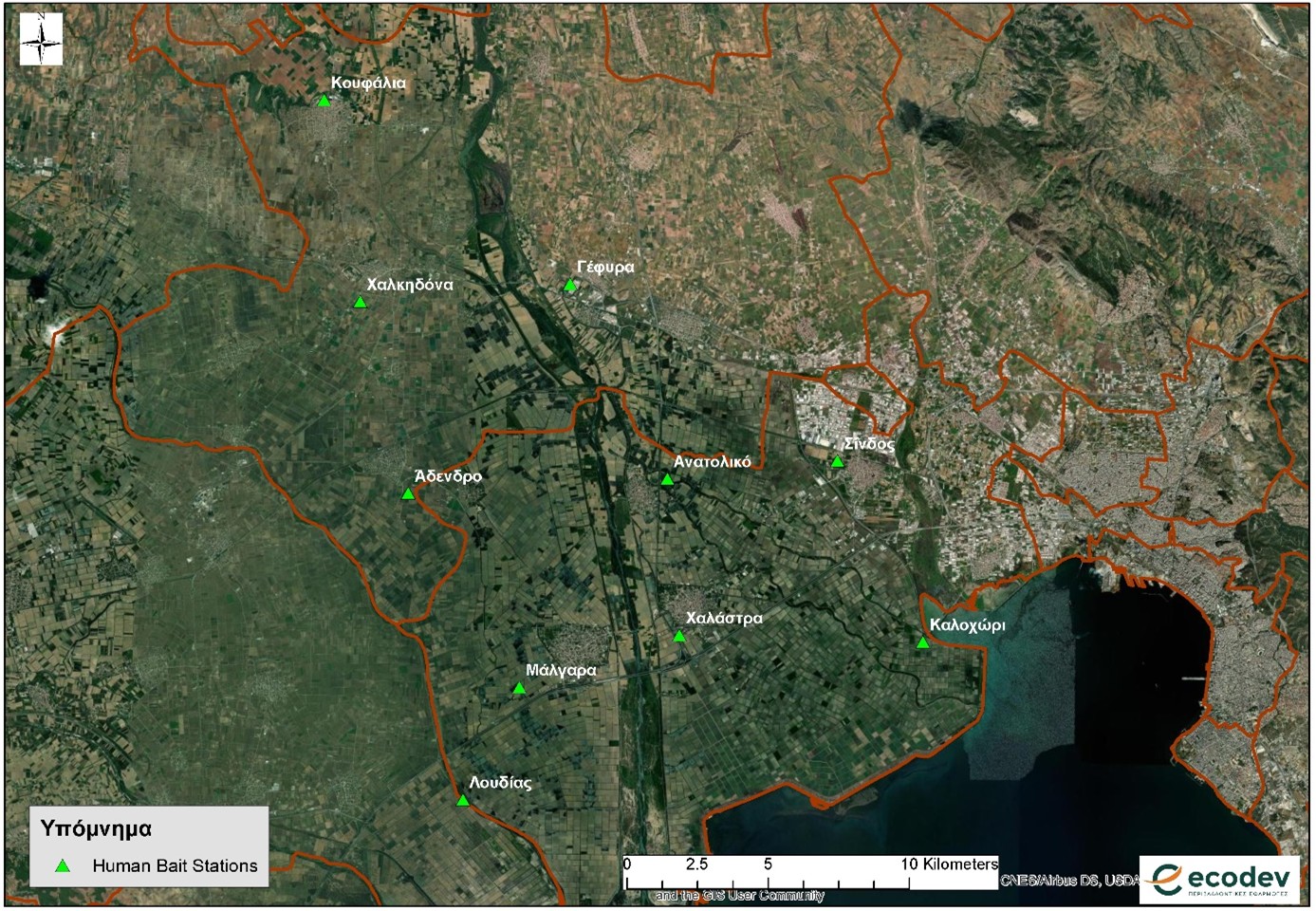
In its thirty years of operation, another characteristic feature of Ecodevelopment is its dedication to collecting and processing large time series of field data. Thus, since its first year of operation as ENVIRONMENT AND ECODEVELOPMENT LTD in 1996 (four years before becoming a public limited company), it has maintained a stable network for collecting data on adult mosquitoes using the human bait method method: conducting weekly sampling systematically at 10 sampling stations in the western Thessaloniki plain (Anatoliko, Kalochori, Malgara, Sindos, Chalastra, Chalkidona, Adendro, Gefira, Koufalia, Loudias). These data are systematically submitted in annual reports to the Prefecture of Thessaloniki in the past, the Development Company of the Prefecture of Thessaloniki subsequently, and the Region of Central Macedonia for the last 13 years.