




The evaluation of the MOSAIC-RISK research proposal, worth €4.7 million, which was submitted with Eco-Development S.A. as the coordinator under the Horizon Europe programme (call HORIZON-CL5-2026-07-D1-02), has been completed, with the proposal receiving a particularly high score.
The proposal received an overall score of 13 out of 15, which is a composite score across three sub-categories (Excellence, Impact, and Quality and Efficiency of Implementation). Despite this high evaluation, MOSAIC-RISK was ultimately not included amongst the proposals selected for funding, in an extremely competitive European environment. In total, 195 proposals were submitted under the HORIZON-CL5-2026-07 call, of which 29 were for topic HORIZON-CL5-2026-07-D1-02, under which MOSAIC-RISK was submitted. Of these, just 3 proposals were selected for funding (a success rate of approximately 10%).
Highest score for expected impact
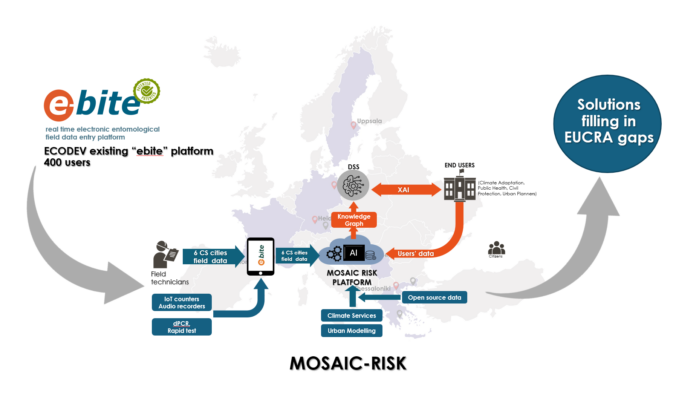
Of particular significance for Ecodevelopment is the excellent score of 5/5 in the ‘Impact’ category, which reflects its experience in applied research. The proposal’s potential to support European and national efforts to adapt to climate change, by providing up-to-date scientific evidence and specialised decision-support tools, was assessed very positively. According to the evaluators, the proposal described very well how it would help to address knowledge gaps identified in the latest EUCRA and IPCC assessments, particularly in the areas of human health, the built environment and infectious diseases.
A European collaboration on climate and public health
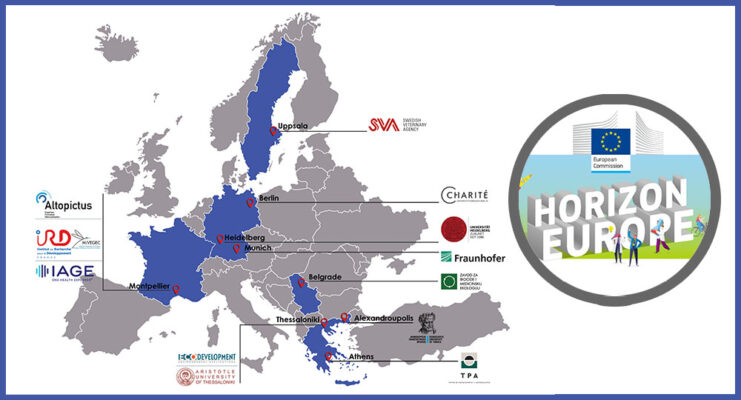
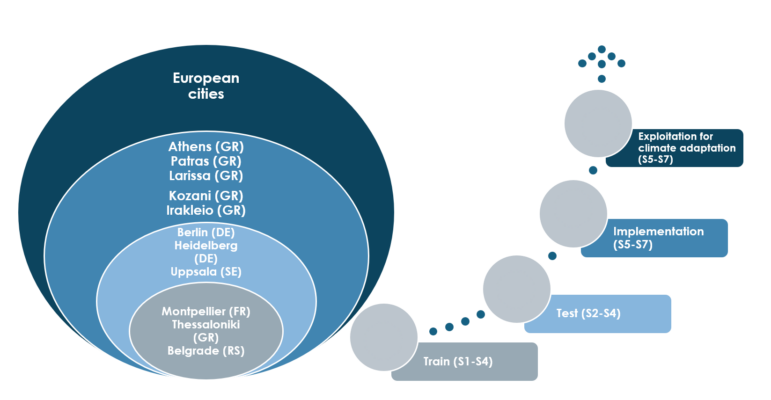
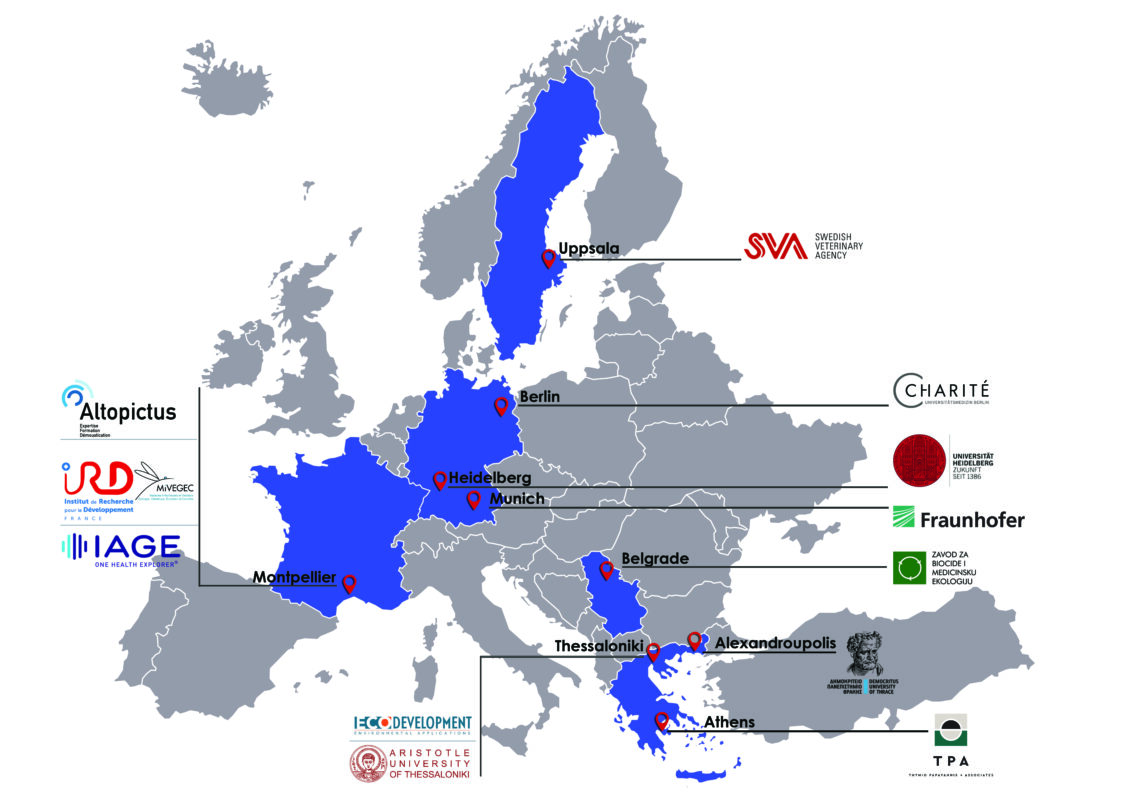
MOSAIC-RISK was designed as a comprehensive One Health framework for quantifying the risks posed by mosquito-borne diseases in European cities under the changing conditions of climate change. The proposal brought together 15 partners from Greece, France, Germany, Serbia and Sweden, combining expertise in climate science, urban microclimatology, vector ecology, epidemiology, public health, entomological surveillance, modelling and data science.
The aim was to investigate in greater detail how climate change, the urban environment, infrastructure and environmental conditions influence mosquito dynamics and the risk of disease transmission, such as West Nile virus, dengue fever and chikungunya, and to translate this knowledge into practical tools for European cities.
The assessment of the quality and effectiveness of the implementation was also particularly high (4.5/5). The evaluators recognised the consortium’s broad range of expertise and described the partners’ roles as specific, valid, collaborative and complementary.
MOSAIC-RISK as a springboard for new collaborations
The high final score, achieved in a highly competitive environment, is a significant recognition of the high standard of the consortium formed and the collaboration developed through MOSAIC-RISK.
For Ecodevelopment, this result does not mark the end of MOSAIC-RISK. The creation of a strong interdisciplinary European team and the highly positive evaluation of the joint research approach provide a solid foundation for further development of the concept and the establishment of new collaborations and research initiatives. Our company will continue to invest in bridging the gap between scientific and operational research, with the aim of developing innovative tools capable of transforming scientific knowledge into practical solutions for adapting to climate change, combat vectors more effectively and protect public health, with a focus on the built environment.