

West Nile virus is now an endemic infectious disease in Greece; it has occurred almost every year since 2010, and Greece accounts for approximately 28% of all cases in the European Union (2,184 out of a total of 8,569 confirmed cases). The West Nile virus persists in the blood of wild birds (both migratory and resident). The prevalence of the virus in wild birds is high, making them a source of infection for mosquitoes, which, once infected, can transmit the virus to humans.
Domestic birds are unique in that they serve as a very reliable source of information regarding the circulation of the virus in a region. Unlike wild birds, they do not have high rates of viremia, but by using simple serological methods, it can be determined whether and to what extent they have come into contact with the virus in the recent past.
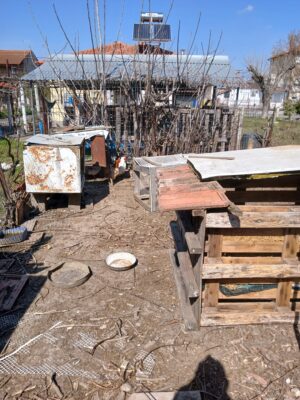
Since 2010, Ecodevelopment has established a monitoring network, initially using pigeons in collaboration with pigeon loft owners and subsequently using domestic chickens (under 6 months of age) in collaboration with chicken coop owners. Since then, this network has expanded to 180 settlements across 4 regions of the country (Central Macedonia, Thessaly, Western Greece, and Crete), and Ecodevelopment conducts regular blood sampling (2–3 times per year) on approximately 900 domestic sentinel chickens.
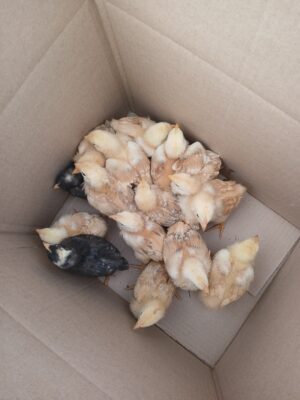
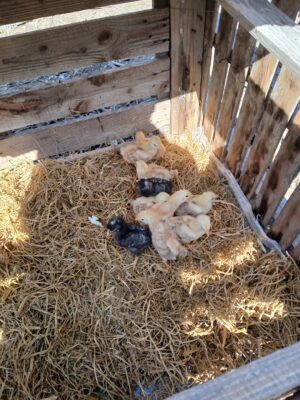
This year, for the second consecutive year, in order to stabilize the network and secure 40-day-old chicks, Ecodevelopment took the initiative to supply young chickens to existing or new partner-nest owners in 38 settlements across five regional units of Central Macedonia by the end of March, thereby strengthening the network of over 50 poultry farms monitored in the Region of Central Macedonia.
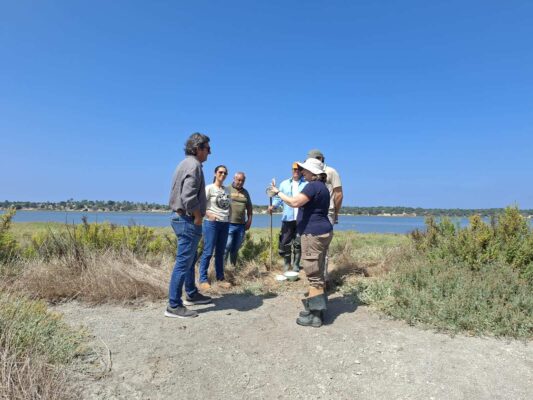
This initiative is being carried out in parallel with Ecodevelopment’s significant field presence in settlements at high risk for WNV, where, in addition to standard larviciding, door-to-door control measures are carried out in over 30,000 homes across 100 high-risk settlements in the Region of Central Macedonia each year.